
Your Event Is Content. Start Treating It That Way.
You've spent months planning an event. You've booked the venue, coordinated vendors, built the guest list, created the signage, planned the food, and managed approximately 7,000 tiny details nobody attending will ever know existed.
The event happens. Someone takes 426 photos. The next morning, the social media team posts, “Thanks to everyone who joined us!”
And that's it.
We need to talk.
Event marketing doesn't end when the doors open
An event isn't separate from your content strategy. In fact, it can be one of the richest sources of content your organization has, and the opportunity starts long before anyone arrives.
Why is the event happening? Who is making it happen? Who will be there? What goes into creating it? What can attendees expect?
Instead of promoting the same event graphic six times, tell the event's story.
Build anticipation, not just awareness
There's an important difference between telling someone an event exists and making them want to attend.
Introduce a speaker. Show the venue coming together. Interview the chef. Reveal an unexpected detail. Share something from last year's event. Let people meet the team behind it.
Give people a reason to imagine themselves there. That's when event promotion becomes storytelling, not repetition.
Create memorable moments, not just “Instagrammable” ones
This might sound strange coming from people who manage social media, but not every second of an event needs to be turned into content. The experience comes first.
Yes, lighting, sight lines, backdrops, and visual moments matter. But people can tell when an experience has been designed primarily to produce photographs.
Create something people genuinely want to experience, and chances are they'll document it without being told. A memorable moment beats an “Instagrammable moment” every time.
Capture people, not just stuff
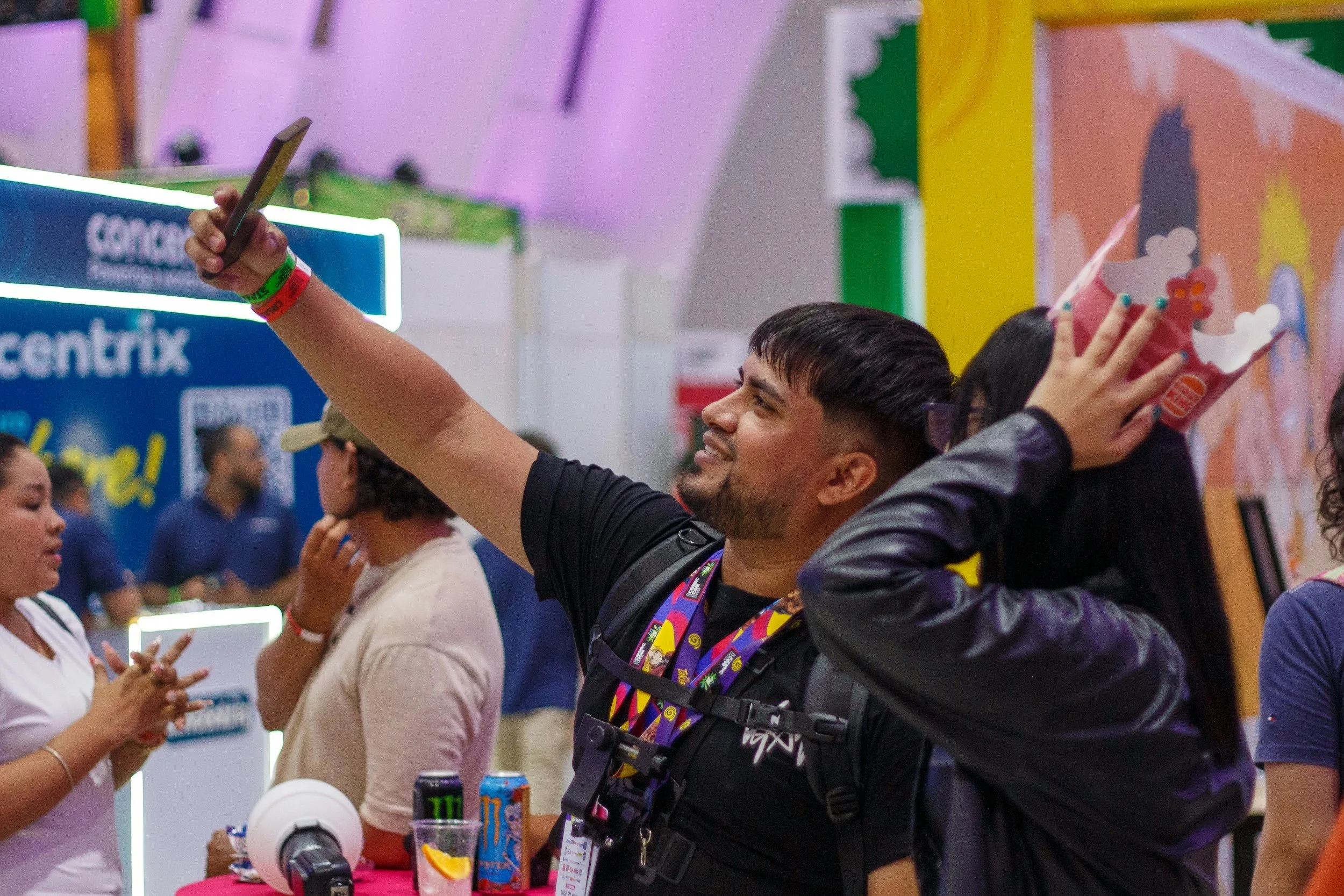
After an event, we're often handed hundreds of photos of beautiful tables, centerpieces, signage, food, and empty rooms. Those images have their place, but events are about people.
Capture expressions, conversations, reactions, movement, and connections. Talk to attendees. Ask why they came. Get short video interviews. Find the unscripted moments that show what the experience actually felt like.
Those are often the assets you'll want later.
One night can fuel weeks of content
Once the event ends, you have much more than a recap post. You have attendee reactions, short-form video, photography, speaker insights, behind-the-scenes material, quotes, educational content, highlights for next year's promotion, and potentially your next campaign.
A three-hour event can produce months of useful marketing assets if you've planned for it from the beginning.
That's why the people planning the experience and the people marketing it shouldn't meet for the first time two weeks before the event. When event production, PR, social media, and content strategy work together from the beginning, the marketing reflects the actual experience—and the experience creates better marketing opportunities.
An event isn't just something that happens on Thursday night. It's a story. Plan accordingly.